Varicose Veins
Why Do My Veins Look Like That? A Closer Look at Varicose Veins
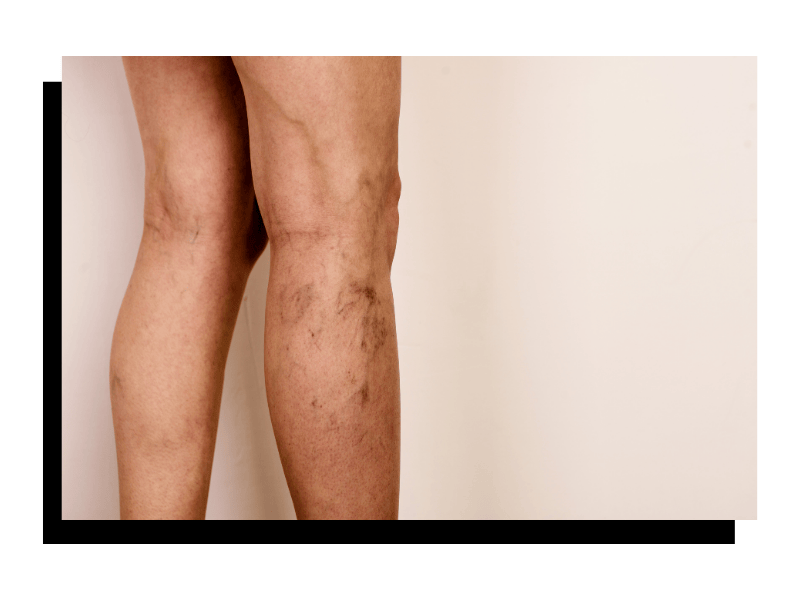
Varicose veins are a common condition where veins become enlarged, swollen, and twisted, often appearing blue or dark purple beneath the skin. This occurs when the valves within the veins malfunction, causing blood to pool rather than flow efficiently back to the heart. While some individuals may experience no discomfort, others might notice symptoms such as swelling, heaviness, fatigue, restless legs, skin discoloration, bleeding, or even skin ulcers.
Common Causes of Varicose Veins:
- Heredity: A family history can increase your likelihood of developing varicose veins.
- Age: The risk rises as veins lose elasticity over time.
- Gender: Women are more prone due to hormonal influences.
- Pregnancy: Increased blood volume and hormonal changes can enlarge veins.
- Obesity: Excess weight adds pressure to your veins.
- Leg Injuries: Previous trauma can damage vein valves.
- Prolonged Standing: Occupations requiring long periods on your feet can impede blood flow.
Treatment Options:
At Bellamah Vein Center, we begin with a comprehensive consultation, which may include a diagnostic venous ultrasound, to tailor an individualized treatment plan. For mild cases, conservative approaches like compression therapy, leg elevation, and regular exercise may suffice. For more severe instances, advanced procedures such as Radiofrequency Ablation (RFA), Endovenous Laser Ablation (EVLA), or Sclerotherapy might be recommended.
Understanding varicose veins is the first step toward effective management and improved leg health.
Learn More About Leg Vein Conditions
Explore more about the different types of vein issues we treat:
Your Leg Veins
Learn how your leg veins function and why valve health matters.
Varicose Veins
Understand what causes bulging veins and how they can be treated.
Spider Veins
Get the facts on these tiny but frustrating surface veins.
Stasis Dermatitis
Learn about advanced symptoms of vein disease and how to manage them.